
Retelling Fairytales - A Lost Writer We Need To Rediscover - Madame D'Aulnoy
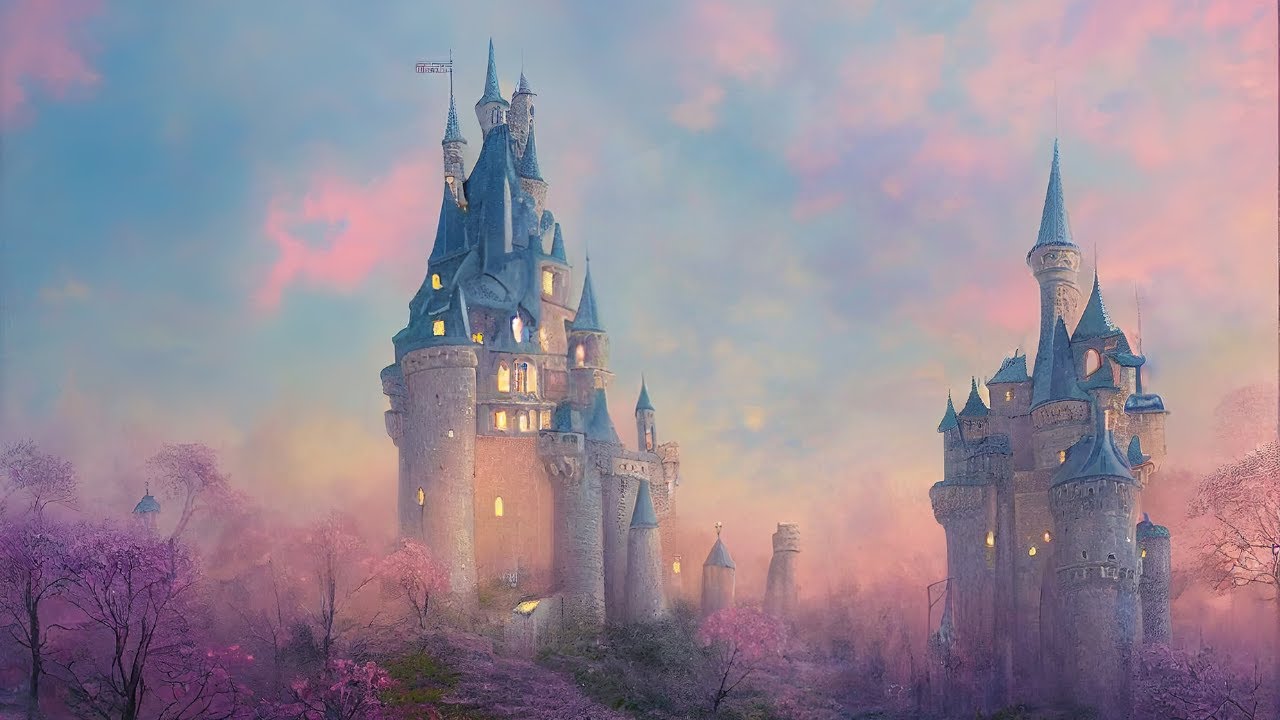
Best place to be Cinderella

 Apple Podcasts
 Amazon Music
 Spotify
 JioSaavn
 Castro
 History has not remembered some fabulous women writers - even the woman who gave us the term 'fairy tale' to start with! Meet Madame D'Aulnoy and hear about her wonderful fairy tales and why author Claire O'Brien is retelling them now. Claire and Julia Golding broaden the conversation to discuss the power of fairy tales, how they have been selected and retold. Rediscovery of old ones without the familiar tropes is a wonderful place for a fantasy writer to go for inspiration. Do you have a favourite retelling - or a least favourite - on film or TV? See if you agree with Julia and Claire. Oh yes, and what exactly has Bridgerton got to do with it all...?
Visit https://oxfordcentreforfantasy.org/mythmakers
Hello and welcome to MythMakers, brought to you by the Oxford Centre for Fantasy. My name is Julia Golding, I'm an author but I'm also director of the Centre. And today I am joined by a good friend of the Centre who is also one of our tutors on our novel in the year course Claire O'Brien who is an author as well as a creative writing teacher. So Claire do you want to tell us just a little bit about yourself? Okay yes so I've been writing for a long time probably about 30 years so I feel almost qualified to say I have a writing life and I first published for children in 1996 I had a couple of small titles published and then absolutely nothing for 13 years but I kept writing and doing the day job and living my life and then I went off and did a master's in creative writing in Lancaster up near the wonderful Lake District and I at that time was not writing for children I was actually working on a crime novel which did get me an agent but that didn't work out we didn't get that one placed and it was another seven years before I realised that actually with a background in primary school teaching and having read thousands of children's books really I was best placed to write for children so I went back to that and it was the Scooby undiscovered voices anthology that picked up my the opening for my Cordelia cod novels which are funny novels about a girl just starting secondary schools so she's 11 12 13 in the novels and having all the issues and a dysfunctional family and parents who split up and she has to get them back together again and her her place she goes to is vintage films and costume she wants to be a costume designer and I have a great love of fabrics and sewing and costume so I had fun with that so that was picked up by Orchard who are part of Hashtag and there are three Cordelia cod novels and then since then I've had a range of commissions for funny stories with mostly with education from publishers and we workings of traditional stories and fairy tales I think probably my favourite of those is by reworking of Pinocchio which got me interested in reworking fairy tales and there's mostly there's mostly the kind of things I do now or commissions for educational publishers anywhere from five years to up to older teens I'll tackle really yeah so this is an important part of the publishing world that people may not be familiar with but certainly it provides the bread and butter to a lot of writer for writers for younger children getting into the educational market and what we wanted to talk about today as a theme which has wider application is the reworking of fairy tales and just before we go there listening to you talk Claire it seems though there's some fairy tale tropes in your story particularly the thing about the long wait the long wait for success which is often in there in fairy tales you know you have to first spin this room full of straw into gold you know there's all that impossible tasks and sometimes making a breakthrough in publishing or writing of any sort feels like a fairy tale task so people can be encouraged I think by listening to your story so keep going yes yeah exactly so understand that you've got a current project working on the fairy tales of madden now let me get this right madden to all noise is that how you say a donnoir I think is a donnoir okay so that's the apostrophe AULNOY so first of all let me ask why do we not have her as a household name like Hans Christian Anderson or brothers Grimm oh hear me say I know really I mean I I became interested in her after reworking Pinocchio because Pinocchio is a story we know the original of we know who wrote it was written by Carlo Colodi in the 1800s and we have his you know his original and so much I mean Pinocchio is the most reworked of all the fairy tales I think and there is so much in that story that people have forgotten or don't know and I in my reworking Pinocchio I tried to put back in as many of the magical events and things as I possibly could fit in like who remembers the blue head fairy who rescues Pinocchio from the animal tricksters and sends her coachman who is a poodle wearing velvet breaches who drives a carriage made of whipped cream and biscuits you know that isn't in the Disney movie is it you know so and I thought well if this has gone missing what else have we lost what else are children not getting you know what else have they been deprived of and so I started to search around for more fairy tales and I came across madden donwar and she was one of quite a group of women writing fairy stories in the 17th century and having them published and having them translated into English she had a very successful salon in Paris after a very scandalous life which in itself is like a fairy tale and her so she was yes so she was published sort of 1692 93 there were other women writing and publishing these sort of magical tales with a you know moral imperative in them um at the time and she was also at the same time as Charles Perro who you know many people know about him and associating him with French fairy tales now in about 1720 after she had died a huge collection of fairy tales was made called the cabine de faix and in that collection something like 70% of the authors were women and um but when you get to the like to the next century was it the 1830s or something where the grim brothers were collecting their agenda their their brief if you write was to collect stories that helped to solidify a sense of German identity because Germany was like sort of a new country and I think that I mean this is purely my hypothesis yet but I think that Madame Donoir and many of her contemporaries her stories were so much so so so different culture that they perhaps didn't fit the bill so that may be one reason there's also the fact that she was a woman and you know would not have been taking seriously Charles Perro was a big mover and shaker in the academy for all says which um was the sort of and still is the arbiter of you know what is culturally what is high culture and what is not if you like or what is you know it's it's a it's the judge of those things and I say he was in a position to to have his work to the fore and of course he was a man you know so there may be many reasons really um but she she was she was very popular in England for a while but um I you know it's a mystery to me and I think there must be scholars somewhere there are a lot you know she is known in academic circles and I hope there are scholars somewhere who can unravel that mystery because her work the the imaginative flights and the wonderful creatures that she conjures many of which were brought from 15th and 16th century Italian tales which would have been known and then she's given them her her own spin but they are so much stronger and more interesting than anything I have read in Charles Perot you know she was just she was just better excellent so have any of her tales survived that people might be aware of and then we'll talk about the gems that got lost yes I think um I think the white cat is still quite well known and I think try how does that story go well it's roughly a king does not want to give up his throne he doesn't want to retire and he has three sons and so he kind of makes tasks for them to do to put it in possible tasks he sends them on and one is they must bring him the most beautiful dog in the world the one who brings him the most beautiful dog in a year go away for a year bring me the most beautiful dog and whoever brings me that will inherit my my lands and my castle so he's at the brothers go out the two older brothers think that the younger one is you know he's not in the running he's not really very bright he's not going to make it and they all go off on their quests and of course the youngest brother he's wandering the forest and comes across the an incredible jewel encrusted palace where there is wealth beyond anything he's ever seen and there are disembodied hands that guide him through the halls and the entire palace is populated by cats and the head of this household is this beautiful white cat and he stays with her her hospitality is marvellous and of course time time has no meaning in this sort of fairy land and he's away for almost a year and they find each other's company charming and the most there are lovely scenes of feasting and music that are almost trippy and psychedelic they are so beautiful you know plates of food tumbling and spinning and oh it's just just marvellous and everything is is very you know opulent and jewel encrusted and so he promises he will come back but he has to go he's supposed to deliver this this a dog so he's got to find a dog for his father and of course the white cat gives him the tiniest little dog that's inside something like a nutshell or something it's impossibly small and impossibly cute and so he goes back home and of course he's won that challenge so the father sets them two subsequent challenges and each time he goes back and he stays with the white cat and and he's sort of falling in love with her but she's a cat and the final task is to bring the most beautiful the beautiful woman back and he comes back with and he's transformed and so you cut out there can you go back to she came back with he came she so she comes back with him and of course her curse is broken and she's revealed that she's the most beautiful princess of course all ends happily so there's there's you know very familiar tropes in it but the it's it's the imagination that either they're things that she conjures the events or or really quite surreal and quite psychedelic in places wonderful i haven't actually heard that story before it sounds wonderful um so i'm very excited to find out which ones no longer are and apologise and that you feel need to be well presumably what you're doing is rediscovering them for us yes i think i think i mean as they say they're known in academic circles and quite recently the wonderful professor jack zypes did translate a few very much for adults and they were written for adults they were you know caught entertainment um my i suppose my mission that i set myself is to rework them for child readers you know i'm talking about the sort of the six to nine age group in you know in today's world and i can see that i mean there are about 24 that i've found and i think you you on first reading and the only full translations i've found of them are in rather rather so cheaply done editions you know print on demand things and they are they they only go back to about 1892 you know they they i don't think there's been a full translation of them it's then so we're rather desperately in need of someone to do this i think um so where was i about um so you which ones have you picked out for your because obviously there's a lot of them okay oh there are a lot of them so some of them are longer like the white cat and they um i think they could be reworked either for young adults or for children but i picked out the ones that i feel um a lot of the the twinkle and the jewels and the aristocracy could be stripped away it's not necessary that the characters are princess and princesses it's not necessary that they're all on that cusp of falling in love you know 15 to 16 and i've moved them to be ordinary children um you know a pre pre pre peasant children and usually having a a hard time because i don't i just don't feel that it's necessary to have a lot of that princessy stuff and what i've hung on to is the wonderful magical creatures and the happenings that that that that go on one of my favorites is um i think her name is babiol babiol i think she's called she is cursed to be turned into a monkey because her mother when she's expecting accidentally steps on the toe of a fairy and doesn't apologize and fair is a very vengeful and easily upset so poor babiol is turned into a monkey she's then taken away from her parents because the authorities say you cannot keep a monkey in your house that monkey must go to the um to the the equivalent of the zoo or be sold to a circus or something so the child is taken away she's taken away in a box um but the person who takes away i think she likes the box so keep the box and he throws away the monkey so babiol is set loose to try and fight her way her fortune in the world and a longer way one of the magical objects that she's given by a fairy who helps her is a a walnut and at one point she's in the desert and i think she's going to die and she cracks open the walnut and out of the walnut comes an enormous hot hair balloon with a basket shaped walnut a walnut shaped basket underneath and she's you know so she's she's rescued in that way there's a lot of things coming out of tiny things out of seeds and nut shells you know huge like whole orchestras are conjured out of a tiny nut shell i love that about Dawnweather that the way she plays with with space and time are really quite bending and wonderful there's um an awesome beautiful tale of her a girl who is he's a very good abaking and she's kidnapped by a sort of lioness woman sort of half lion half woman taking to this very deep cave and the lion says you must bake me fly cakes i don't want anything but fly cakes and if you don't i will eat you and she thinks where am i going to where am i going to get the flies how am i going to bake the cakes she's got the flower she's got the sugar everything she she where is she going to get flies down here and as would happen she rescues a frog from the beak of a raven who's about to eat the frog and of course when animals are helped they always repay their kindness in fairy tales absolutely yeah the frog summons all the other frogs who are trapped in this subterranean place and they roll themselves in the sugar and attract all the flies that she needs to make the cake so there's just beautiful little touches like that and in the same cave in it there's a lake with a crocodile in who was once a very wicked king and he's been condemned to live underground as a crocodile until he mends his ways whether he does at the end or not we we should think so i've taken these and i've made them into about six stories of the chapter books for kind of six six eight six to nine year olds something like that because i feel that that sort of wacky um quirky humor and imagination these days fits that age range really well yeah they love that sort of stuff i think it can be worked up for adults as well but i feel that in the young adult and the adult we working of fairy tales so much has been done so much has been done and the the younger age range has been rather neglected and they're left with a very saccharine offering of rainbows and fairies with sequiny wings and that sort of thing and i feel that children deserve better you know they're smarter than that so just this raises the larger question for me about reworking as a fairy tales i think we went through a bit of a pinch point where um i'll i'll understand you what a fairy tale world was was mediated through the 19th century um red book of fairies but you know those books yeah i'm doing lang yeah but also very much dependent on grim and and Christian Anderson um with the i don't know if we call them exactly fairy tales but esok's fables are kind of allowed in as the animal tales so that is what the follow me here that's what the 20th century picked up for the sort of Disney films so we've got things that have become archetypal we've got little red writing hood we've got little mermaid we've got Cinderella sleeping beauty and these are the things which keep getting rework rework reworked i've noticed that recently the sort of dream works um Pixar type people are moving into new kinds of stories but they're no longer going so loana or um inside out you know they're doing different kinds of stories and and the new fairy tales for our time i suppose or adventure tales but i was just wondering if in fact that pinch point means that we have as you said we've missed out a whole kind of sense to imagine broader sense of imagination from the past that could enrich and re rejuvenate um what we think is familiar absolutely that's it at the yes that's it in nutshell i mean i think it's great that um um you know animation companies and book publishers are um they're looking to other cultures for inspiration and that's that's great because yeah and there's a whole huge range of of stories that um you know the european if you like the european audience we've missed out on those yeah actually you know i i think you know kids love those i think it should all be in the mix all be in the mix definitely and but that but i think as you say we've also missed out on like Disney sort of skimmed at the top if you like skimmed the top of the milk and took a few fairy tale uh a few well-known fairy tales and made them into brands enormous brands and we we we need to go back and dig a bit deeper into what we left behind definitely because if i can find and i'm not a scholar but if i can find madame danois and her contemporaries and and madame danois by the way was the person who gave us the name fairy tales comp de fae was her you know her what she gave her she gave us that so if we if you know if i can find those then you know there there must be many many more there must be many more and they're so rich and we've missed so much and they were they were really quite proto feminist as well her her stories that's another point that i think is important she had a very unhappy marriage very there were a lot of abusive and arranged and forced marriages at the time and there are very you know there are many sort of cruel fathers who marry off daughters in her tales and husbands who are beasts and um a dealic places where there are only women and you know women and it's all very civilized and no one goes to war and so she was very proto feminist so we've missed out on all that as well and i can't help thinking if if um you know when i was a child when you were a child and our grandparents if these stories have been part of our canon as much as red riding hood and sleeping beauty are i think we would think differently because we would have a different vocabulary of imagination and i i really be and it jack zypes said once that perhaps when society changes we would change the stories we tell but i think it's the other way round if we change the stories that we we tell to our children we will change society they will change society and it's very important to dig deep and not leave anything behind either in terms of ideas or in terms of um it just imaginative works you know all needs to be in the in the mix there for for our generation and future generations to draw on and make more of them we work yeah absolutely so do you see any um let's think about things people already know of all the retellings that have made into film and elsewhere are ones where you think they really hit it well and ones where they did a real swing and a miss oh my goodness that's a huge question are you allowed to you're allowed to insult a couple of things i'm sure they're big enough be enough properties to survive well i mean it's it's like i wouldn't i suppose i couldn't judge in terms of um in terms of um either being accurate for the book probably you know to the book probably or to the you know to the tale um probably not so many but there are those that were that were quite true to the spirit of a story and i suppose i'm thinking about i mean would you would you count in that would you count something like hook as a version of Peter Pan would would i be able to count that in yeah i think so that's more recent tale but i i think that captured something at the spirit i quite liked that and um i mean when you know even though Disney missed out a lot i do think that some of the things like their version of panocchio it did capture the spirit of the boy who needed to change and reform but there was so much more that could have been offered um i think the most the most problematic for me uh in terms of what it didn't actually admit to is the little mermaid yeah because the that's a very grim tale yeah even sorry it's not he's not a grim tale it's way and script nanson exactly um there the actual there's a warning in that tale because she ends up as the foam of the seed doesn't she um sorry people who wanted to oops yeah yeah um it's not a so fairy tales are not they lived happily ever after so this thing in common speech of fairy tale ending actually quite a few fairy tales ending a very macabre or sometimes they triumph for that sometimes they don't and i think that particularly when you add up the elements of the little mermaid the ending that it gets in sort of a Disney version yeah sort of muffles the questions about giving up all that um and this is something about yeah this is something about protecting children from um from the harsh side of life isn't it yeah i think and and you know one of in one of madam don was um uh tales the the um the uh you know the principal princess do cannot get together at the end and they become uh i think they become birds the some will become birds and there are others where they become trees together so there are times when if you like you know the the the the love or the happy ending that we would want is not possible but and there's a melancholy there but it's also a way of showing things don't always work out as we as we perhaps would wish but it's okay sometimes it's okay as long as there's hope because there's my hope at the end yes you know sacrifice is kind of that's okay too and i think sometimes we we're we we cushioned children a little too much i think and they're capable of um they're capable of such deep thought at such an early age and considering the big questions and thinking about you know death and loss and things like that and it's quite important that we don't cushion them too much because we compromise their resilience you know they do need to and this is one of the things that tales can do is find gentle ways of helping them build resilience well not just children also adults you know if you know in romance novels which is um a lot of a lot of us read knowing that it's a fantasy um but it does potentially mean that you have unrealistic expectations of real relationships yes yes yes so adults also need to have this corrective though okay doesn't always work out and because that is that is life so you said you you really enjoyed reworking Pinocchio that was your favourite tale to rework it didn't i reworked the nutcracker oh wow for a reading scheme like this and i thought that was so went back to the Hoffman original tale and it's so brilliant it's so spooky of course because we most of us know it from a ballet these days and a ballet works by doing set piece dances and it loses the the sense of menace and also the the time period within it that you get in the original tale and i i thought the and the um the godfather figure is so malevolent um like he's like that was a bad fairy he's like the yes he's sort of he's sitting on this it's where the other is really powerful because he's other yeah so i really enjoyed reworking that because i i stopped my knowledge of the nutcracker as oh it's a Christmas ballet yes but it's far more than that it's about it's about how it's about being believed when we're sticking to your gun saying i saw this this is true a bit like Lucy coming out of Narnia it has that dilemma in it for the main character so um no it's a wonderful tale i really enjoyed it so if you're listening to this as uh i want to be fantasy writer one of the places to find inspiration is to go further back yes to go back absolutely dig yes dig deeply into those those those the tales that have been forgotten that you will stumble oh sorry oh that you will stop of course accidentally yeah so Claire do you think that um rewritings will ever fall out of favor are we are we over fairy tales well i i don't think we'll ever be over them but i think we we do need they do need refreshing and you know we really don't need any more versions of Cinderella or sleeping beauty um at the moment i don't think i'd say it's quite saturated um but i i don't think no i don't think they'll ever fall out of favor because people love magic and um magical worlds and if we stop having fairy tales then we you know our imaginations will with a little i think won't they we need somewhere to go when they um when they you know it's i hesitate to use the word escapism but of course it is a bit of escapism but you come the jizz is when you escape to fairyland you come back with something don't you you come back with um some uh it might be moral or ethical guidance or some reassurance that all is you know all is well in the real world i don't i don't think so i do think that we need to approach them perhaps differently um i i feel that over the centuries we know that fairy tales have been used as sort of moral guidance sometimes as warnings to you know to try and influence the uh either influence the behavior of children or to certainly in the case of madam donwar to um to be able to satirize a little and laugh at some of the um what morals of the time and the inequalities of the time and they're used you know they're quite um political with a small p in that way but they when you look at the the sort of the the happy ending the print and the princess the the sort of very aristocratic or the warrior-like qualities of fairy tale characters the idea that there's a special person or that magic can change things can alter things i think we're in a we're in a world that's post that now i think we're in a world where we know that power is internal to the human being and that we need to be um you know resilient as we've said and confident and many of the re-workings that i've seen that have kind of claimed to be perhaps feminist or modern or whatever all they've done is they've kind of given the sword to the girl that doesn't change the world that just gives the girl permission to be like the man you know to be use violence or whatever that's something and that's quite as simplistic sort of or like in the more recent um beauty in the beast uh it's lip service really i think her father is an inventor and she wants to be an inventor yes that's the token of the- it's been engineered okay that's it the token you know gesture towards feminism but i think when you think about it those tales they're based on a lot of them are based on medieval chivalric codes aren't they and the ideas of honor and um we're willing princesses and and the the the place of of women there's still very much based on that and the and we haven't shifted from there and so it's perhaps time for um authors to become more people off philosophy i'm sure many you know many many of them are of course but i think that it's about what do we what sort of worlds do we want our children to build and to move into and if we really want to help children and help them to shape the world then we have to think about the stories that we're telling so we can use all the fairy tale vocabulary we've got we can rework you know what we have bring him from other cultures but underlying that what are the values that we're now promoting if you like and i feel that we need something that is broadly humanitarian and generally secular so that we can include everybody um and so i think we really need to be thinking quite hard about what am i actually saying is um a good way to live here and one of the things i've done in my tales um is that magic does not happen until the inner transformation has been undergone by the main character so and that's why i love Pinocchio so much because Pinocchio does not become a human until he has changed and then the magic happens so we create our own magic and i think that is what i'm trying to put across in my retellings and i feel that that you know feel maybe this is a bit egotistical but i feel that's the way that fairy tales need to go we need to think about what kind of world do we want to shape what kind of adults we want our children to develop into who are going to reshape the world and i hope most of us want a world where there is greater equality when there is tolerance where um there is resilience where there is no war where conflict is resolved through dialogue and understanding and there will always be you know the dark forces of evil there will always be the malevolent fairies there will always be the push back against that sort of desire and so there's lots of scope they won't all become wishy-washy there will still be lots of action and lots of need for you know i think i disagree with you partly there because you say that they need to be secular i don't agree at all i think we need to be diverse so that i'd be very excited to read a fairy tale coming out of the Islamic world or the Buddhist world or the Hindu world or the Jewish world i don't think it has to be secular because secular is a choice of a certain kind of mindset and the vast majority of the world people have a whole range of faiths and all the inklings of course for Christians and they wrote fairy tales too so i don't agree there i think the important thing is and also i'll be wary about coding in messages i i think that children need to have the discussion so they can reject so they can reject um beauty in the beast say hang on a minute isn't he basically incarcerating a female yes yes i think it's quite good that to have the discussion around a fairy tale i think the stuff needs it's good to be in the fairy tale and then have the discussion so i think i would be i would think more about the discussion that follows on rather than the sort of coding in advance if you know this is great this is great i like to approach you know debate and if you're retelling um beauty in the beast now you can put some pointers in there where it does feel uncomfortable so somebody can say hang on really um what's going you know what's going on here even at a young age though i find that arrangement unfair and monstrous and i think that's that's that's true if children are also equipped with um you know a critical being you know with with um uh you know with the with the um ability in the permission to question things you know you know that that yet you know question what you're reading question what you're seeing and as long as we're also equipping children with with that skill and that permission if you like that confidence yeah because i mean there is a movement at the moment i mean particularly as i understand it in parts of america to take books out of a library and you look at the content of what the books are taking out you think why are you taking that out why don't you just make sure there is a range of books that present another view yes yes um so that that child can say well i didn't agree with that one but i did agree with this one i i think this fear that children are somehow going to be um so blank that they don't analyse what they're reading is is force i mean obviously very very young children you have to be you wouldn't want to terrify them or anything yes um but as they get older i think it's it's unless there is something really outrageous in a book i think leave it on the shelf and and and have the discussion yes yes yes yeah no and when i say sec you know i think i don't mean um you know devoid of uh you know you get rid of the Arabian knights if you say so yeah yeah no no i mean i was no i mean to me that's that's kind of the the tales of different cultures are almost like a whole other way of the things that yes of course we must we must have yeah there's nothing wrong with people writing secular tales like you know the Philip Pullman's of this world absolutely put those in there the firework maker's daughter fabulous Philip Pullman's story um it's just my my my please that we don't think that we need to tidy everything up and make a lovely digital garden safe garden for children to go in i think and actually books should be a little bit dangerous should have a bit because that's safer to experience and question some of these things in a book and it is to go and try these things out in real life uh your psychedelic feast sounds great to read about but maybe maybe actually in real life might be a bit dangerous anyway so i know i know you said you weren't keen on another retelling of Cinderella but as a final place to go uh i thought yeah i thought that we could actually decide where in all the fantasy worlds in all the retellings um and hidden versions of Cinderella is the best place to be Cinderella and it can be a male Cinderella what we're picking up here is a rags-to-riches story where there is some sort of um wicked step mother-y pipe figure keeping them down and some sort of miraculous the shoe moment where they're they're recognised so where do you think it's you can be a straightforward Cinderella but yeah yeah i mean a fairly straightforward Cinderella i mean that you know that it's like there isn't a good place to start off being Cinderella is there you know her oppression is oppression i think um i would want to put her in a fairy tale world where um if things don't work out with the prince or princess you know if it's a you know or prince and prince or whatever you know if things don't work out in this fairy tale marriage um she will be okay she will be able to find purpose and uh feel strong and be independent um that's that's where i would put her she has to have other choices i think yeah i think there's um just for those of you who are also watching Bridgerton there is a Cinderella story coming up in Benedict Bridgerton his love interest is Sophie who is a Cinderella figure absolutely um so i think in terms of you get to be in the Bridgerton world at the same time as being in a fairy tale world that's my pick i think it's called um an offer from a gentleman so it is fairly traditional but you get a Bridgerton so what's not not not not not like rocks you get great rocks but it's actually right to be fair to junior queen it's actually a really a fun and for a really interesting one so it is very closely ready to the Cinderella story but she does allow one of the ugly sisters to escape you know the ugly sisters yeah people yeah they they don't have to stay an ugly sister they can move over to be a salvage a magical character so yeah that's my pick an offer from a gentleman Julia Quinn Bridgerton how good is it be interesting to see what they do with that one because it's so clearly Cinderella i've got a feeling shonda rhymes and co will struggle with that one but we'll see that's probably that season after next um yeah anyway you get Benedict Bridgerton is already yeah he's already in the season he's the one who's the artist so he's already a bit Bohemian so he's being set up to be suitable for marrying a servant who secretly of course is aristocratic going back to your point about you know um fairy tales rather overdoing the nobility thing okay well thank you so much um that was very fun to do to discuss and i really look forward to reading some of your retellings thank you so much it's been a pleasure thank you very much Julia thank you Claire thanks for listening to myth makers podcast brought to you by the Oxford Center for Fantasy visit Oxford Center for Fantasy.org to join in the fun find out about our online courses in person stays in Oxford plus visit our shop for great gifts tell a friend and subscribe wherever you find your favorite podcasts worldwide